
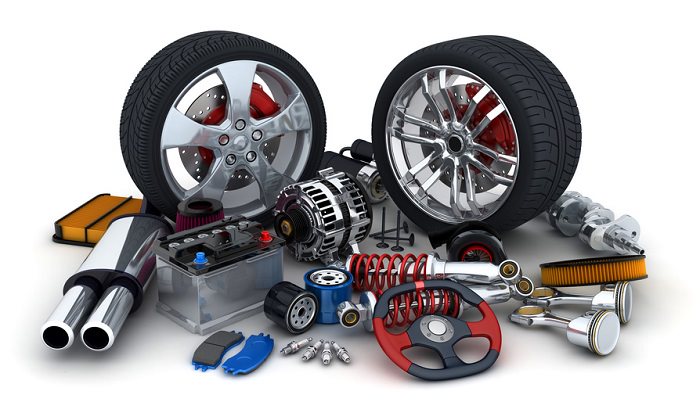
Shopping for vehicle components has changed dramatically, and many drivers now prefer to buy Auto part online instead of visiting local stores. In the first few paragraphs, it’s important to acknowledge how this shift has created new opportunities for drivers, mechanics, and restoration enthusiasts. As more reliable platforms appear, searching for Auto part online has become not only convenient but also a strategic way to access a wider range of components with better pricing and higher availability.
Understanding the Modern Landscape of Online Auto Parts
The digital marketplace has opened doors to parts that were once difficult to find in local regions. Whether someone maintains an everyday commuter, restores a vintage model, or upgrades performance components, online retailers provide access to thousands of options across categories. This shift has also encouraged buyers to approach automotive care more proactively, giving them tools to compare quality, assess specifications, and make informed decisions.
Why Online Purchasing Has Surpassed Traditional Methods
Online auto part platforms offer a combination of convenience and variety that brick-and-mortar stores struggle to match.
Key advantages include:
- A broader catalog featuring everything from OEM components to high-grade aftermarket alternatives
- Faster access to specialized parts that local stores often do not stock
- The ability to research, compare specifications, and read customer insights before buying
- Price transparency without the pressure of in-person interaction
This combination creates a more empowered customer capable of making well-informed choices.
Essential Factors to Consider Before Buying Auto Parts Online
Before purchasing any automotive component online, it’s critical to evaluate several key details to avoid compatibility issues or wasted investment.
Confirming Vehicle Compatibility
Vehicle compatibility is the first detail to check. Shoppers should start by verifying:
- The correct make, model, and year of the vehicle
- Trim specifications, engine type, and drivetrain
- Part numbers that match the original manufacturer standards
Many high-quality online platforms include compatibility tools or filters to simplify this process. Ensuring the part number aligns with the vehicle’s system prevents installation problems and ensures proper function.
Evaluating Part Quality and Reliability
Not all parts sold online meet the same quality standards. Proper evaluation includes:
- Checking product descriptions for material details
- Reviewing performance features and durability notes
- Looking for safety certifications and OEM design equivalence
- Reading user feedback focused on long-term performance
Investing in properly-tested parts is essential for both safety and long-term savings.
Understanding Return and Warranty Policies
Reliable sellers provide clear warranties and straightforward return policies. These protections give buyers confidence and help avoid frustration if a rare defect or fitment issue arises.
Important details include:
- Length of warranty coverage
- Conditions and exclusions
- Processes for initiating returns or replacements
- Cost responsibilities such as return shipping
Supportive policies demonstrate seller credibility and reflect their product quality.
Types of Auto Parts Commonly Purchased Online
Drivers use online sources for a wide range of parts, from basic maintenance components to specialized upgrades.
Routine Maintenance Components
These parts are essential for regular operation and can be easily sourced online:
- Engine oil and filters
- Air, cabin, and fuel filters
- Brake pads and shoes
- Belts, hoses, and spark plugs
Routine maintenance parts often have predictable schedules, making online ordering convenient and cost-effective.
Mechanical and Engine Components
More advanced components commonly purchased include:
- Alternators
- Water pumps
- Radiators
- Fuel system parts
- Timing kits
- Suspension components
Many automobile owners prefer online options due to the wider selection and ability to compare specifications in detail.
Body and Exterior Parts
Exterior components frequently purchased online include:
- Bumpers
- Mirrors
- Grilles
- Headlights and taillights
- Window regulators
These parts are often bulky or difficult to source locally, making online availability especially valuable.
Technology and Performance Add-Ons
Modern vehicles incorporate advanced technology, and online resources provide access to a variety of enhancement tools:
- Sensors and electronic modules
- Performance exhaust systems
- Tuning components
- LED lighting upgrades
Online sources also help users compare advanced features, such as torque improvements or fuel efficiency enhancements.
How to Evaluate an Online Auto Parts Seller
Choosing a reputable seller is as important as selecting the right part. Buyers should review several indicators of reliability.
Reputation and Customer Experience
A seller’s reputation offers insight into product quality and service reliability. Look for:
- Verified customer ratings
- Consistent positive feedback
- Clear product descriptions
- Accurate order fulfillment history
Online platforms with strong reputations typically partner with trusted manufacturers and maintain high service standards.
Verified Product Information
A credible seller provides thorough product details, including:
- Technical specifications
- High-resolution images
- Installation information
- Manufacturing origin
- Compatibility details
Well-presented product pages help eliminate confusion and ensure clarity before purchasing.
Shipping Speeds and Packaging Quality
Proper packaging is essential, especially for heavy or fragile parts. Signs of a dependable seller include:
- Secure packaging details
- Predictable delivery timelines
- Tracking information availability
- Insurance options for valuable components
Fast and secure shipping increases buyer satisfaction and ensures the part arrives safely.
Benefits of Buying Auto Parts Online for Different Types of Drivers
Everyday Drivers
Daily commuters rely on affordable and reliable parts to keep their vehicles running smoothly. Online availability helps them:
- Maintain their vehicles efficiently
- Find deals on essential maintenance items
- Access precise information about part compatibility
Because these drivers typically focus on longevity and reliability, online sources provide reassurance through detailed product insights.
Car Enthusiasts and Hobbyists
Hobbyists often struggle to locate specialized components locally. Online outlets give them:
- Access to vintage, rare, and performance parts
- Opportunities to explore detailed specifications
- Comparative tools for selecting upgraded components
This benefit is particularly significant for those working on restorations or performance tuning.
Professional Mechanics
Technicians benefit greatly from online parts ordering by:
- Ordering parts in bulk
- Reducing downtime for customer vehicles
- Accessing professional-grade components
- Verifying specifications with high accuracy
Mechanics often rely on online sources to streamline their operations and ensure timely repairs.
Navigating Installation Considerations
Purchasing the correct part is only the first step; installation accuracy is crucial for safety and performance.
Reviewing Installation Requirements
Many online parts come with digital instructions or video guidance. Before installing any part, ensure that you understand:
- Required tools
- Step-by-step procedures
- Safety precautions
- Torque specifications and calibration steps
When instructions are unclear or installation involves safety-critical systems, professional assistance is the better option.
Avoiding Common Installation Mistakes
Even experienced DIY enthusiasts sometimes make errors that affect part performance. Common mistakes include:
- Improper torque application
- Incorrect placement of small components
- Failing to clean mounting surfaces
- Using incompatible tools
Taking the time to double-check alignment and connections dramatically improves installation results.
Price Comparison and Value Assessment
Understanding Market Pricing
Online marketplaces make price comparison easier than ever. However, price should not be the sole factor when selecting a part. Consider:
- Material quality
- Manufacturing reputation
- Warranty coverage
- Customer support availability
A slightly higher-priced component may offer superior durability and long-term performance.
Identifying True Value
Value involves assessing long-term reliability, not just initial cost. Buyers should evaluate:
- Expected lifespan
- Maintenance frequency
- Fuel or performance improvements
- Potential reduction in repair costs
Choosing high-value parts can reduce overall vehicle expenses over time.
Safety and Regulation Considerations
Automotive parts must meet safety standards to ensure compliance with national regulations and manufacturer guidelines.
Federal and State Requirements
Certain components, especially those affecting emissions or safety systems, must meet specific regulatory standards. Buyers should confirm whether the part complies with:
- Emission control guidelines
- Safety system requirements
- Material and durability standards
Compliance ensures smooth operation and avoids potential legal or inspection issues.
Ensuring Long-Term Vehicle Reliability
Using low-quality or incompatible components increases the risk of mechanical failure. Ensuring reliability involves:
- Using manufacturer-aligned specifications
- Prioritizing high-grade materials
- Maintaining consistent upkeep of installed parts
Investing in well-made components supports long-term safety and vehicle performance.
Real-Life Scenarios Where Online Parts Offer Advantages
Finding Rare Parts for Older Vehicles
For many older cars, locating parts locally can be nearly impossible. Online sources offer a lifeline by connecting buyers to national and international inventory pools.
Managing Emergency Repairs
When a crucial component fails unexpectedly, online ordering allows for fast delivery options that minimize downtime and inconvenience.
Enhancing Vehicle Efficiency on a Budget
Drivers seeking improved mileage or performance often find that online parts stores offer more competitive pricing on efficiency-enhancing upgrades.
FAQs
What is the safest way to ensure the part I buy online fits my vehicle?
The safest method is to match the exact part number with your original component and verify compatibility using your vehicle’s make, model, year, and engine details.
Are online auto parts reliable for long-term use?
Yes, many online auto parts are manufactured to high standards. Checking product descriptions, customer insights, and warranty terms helps confirm reliability.
Can I install auto parts myself after buying them online?
Many maintenance parts are suitable for DIY installation, especially if instructions are included. More complex components may require professional installation to ensure proper function and safety.
How do I evaluate whether the price of an online auto part is reasonable?
Compare pricing across multiple reputable sellers, review material quality, check warranty coverage, and assess user feedback. This balanced approach helps determine true value.
What should I do if the part arrives damaged or incorrect?
Most trustworthy sellers offer clear return and exchange procedures. Contact customer support promptly and follow the return guidelines to receive a replacement.
Why do some parts vary widely in price online?
Price differences often reflect variations in manufacturing quality, material durability, design precision, and warranty coverage. Higher-priced items may offer better long-term performance.
If you’d like, I can refine the article further, increase word count, or tailor it to a specific type of auto part category.
