
56
The drop in temperature rarely arrives alone. For anyone living with atopic dermatitis, the first hard frost brings an unwelcome, predictable companion: tight, irritated skin that rapidly deteriorates into a relentless itch. Winter is notoriously merciless on delicate skin barriers. Between biting outdoor gusts and dry, artificial indoor heat, the epidermis faces a continuous assault on its moisture reserves.
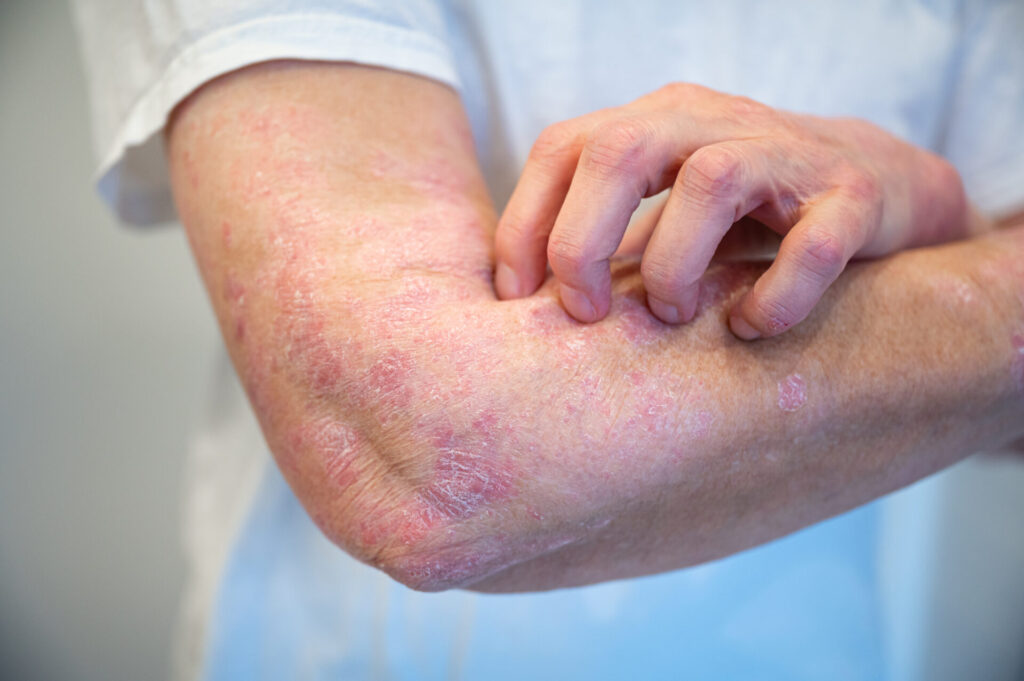
Before you realize what is happening, you are trapped in the classic itch-scratch cycle. An itch prompts an instinctive scratch, that scratch inflicts microscopic trauma on fragile tissue, the wounded skin releases a flood of inflammatory messengers, and the urge returns with doubled intensity. Breaking free from this loop requires far more than grabbing whichever generic lotion happens to be on your bathroom shelf. It requires an intentional strategy that targets the environmental physics of winter, restores your biological lipid barrier, and outmaneuvers your body’s sensory reflexes.
The Anatomy of the Winter Flare-Up
To halt the cycle, you have to understand why cold weather attacks vulnerable skin with such precision. Healthy skin depends on an intact stratum corneum, the outermost cellular layer often described as a brick wall. Mature skin cells serve as the bricks, while a specialized matrix of ceramides, cholesterol, and free fatty acids acts as the mortar. This structure performs two vital jobs: keeping foreign irritants, allergens, and microbes out, and locking life-sustaining water in.
In eczema-prone skin, that mortar is already compromised, often due to genetic variations affecting filaggrin, a structural protein essential for barrier integrity. When winter arrives, ambient humidity plummets both outdoors and indoors. The parched surrounding air behaves like a vacuum, pulling moisture straight out of your skin through transepidermal water loss.
As water rapidly evaporates from the epidermis, the cells shrink and pull apart. Microscopic fissures open across the surface, exposing hyper-reactive sensory nerve fibers to the open air. Those nerve endings fire distress signals straight to the spinal cord, and your brain registers those signals as an immediate, unbearable itch.
Hidden Winter Triggers That Feed the Flame
While cold winds receive most of the blame for chapped cheeks, the primary catalysts behind deep winter eczema flares often operate quietly inside your own living space.
The Hot Shower Paradox
Stepping into a steaming shower after walking through freezing air feels undeniably comforting, but it acts like paint thinner on an already compromised skin barrier. High water temperatures dissolve the fragile sebum and lipid layers your skin worked all day to produce.
Simultaneously, extreme heat causes superficial blood vessels to dilate rapidly. This sudden vascular expansion floods the skin with histamine and inflammatory cytokines. While you might feel momentary relief while hot water numbs the skin, the second you step onto the bath mat, rapid evaporation strips away whatever moisture remained. Within minutes, you are left dealing with a severe rebound flare.
Fabric Friction and Trapped Heat
Bundling up against the cold introduces hidden mechanical friction. Coarse wool sweaters, stiff synthetic thermals, and scratchy garment seams constantly abrade fragile skin as you move.
Furthermore, heavy winter layering often leads to brief periods of overheating during commutes or indoor errands. Even slight perspiration contains sodium and mineral salts that sting raw patches. Sweat also creates an ideal microenvironment for opportunistic bacteria such as Staphylococcus aureus, which readily colonizes broken atopic skin and drives chronic inflammation.
The Aridity of Central Heating
Radiators and forced-air furnaces make indoor spaces comfortable, but they bake the remaining moisture out of the air. By mid-winter, indoor relative humidity levels frequently plummet below twenty percent, making the air inside a typical heated apartment drier than the air in most arid deserts. In an environment that dry, exposed skin loses moisture every second of the day, transforming minor baseline sensitivity into an aggressive, full-body flare.
Thermal Shock from Rapid Temperature Swings
Walking directly from a freezing street into a heavily heated building shocks your skin’s microvasculature. Capillaries expand and contract abruptly in response to extreme temperature swings. This vascular stress destabilizes the activation threshold of local sensory nerves, sparking a sudden, prickly sensation across your arms, legs, and neck before your body has had a chance to acclimate to the room.
Halting the Itch-Scratch Cycle Before It Spirals
Scratching is an ancient protective reflex designed to remove physical parasites, but in atopic dermatitis, it functions as pure self-sabotage. When fingernails scrape across inflamed tissue, the resulting low-grade pain temporarily distracts the central nervous system, briefly overriding the itch signal along spinal pathways.
However, that relief lasts only seconds. The mechanical trauma damages neighboring keratinocytes, prompting them to release additional inflammatory chemicals like interleukin-31. These chemicals heighten nerve sensitivity even further. To break this destructive dynamic, you must replace instinctive scratching with deliberate, non-damaging sensory interventions.
Sensory Counter-Interventions
When an intense urge strikes, deploy cold instead of your nails. Cold stimulates temperature-sensing nerve pathways that effectively close the neurological gate transmitting itch signals to the brain. Keep flexible gel ice packs wrapped in clean, soft cotton cloths in your refrigerator. Applying one to a hot flare zone for three to five minutes can shut down the neural loop without causing mechanical damage.
If a cold compress is unavailable, apply steady, firm pressure with the flat palm or heel of your hand directly over the itching area. You can also gently tap the surrounding unaffected skin. This stimulates tactile pressure mechanoreceptors, which help dampen itch transmission without puncturing or tearing the epidermis.
Mechanical Defense and Habit Reversal
A significant amount of skin damage happens unconsciously while you are working, watching television, or sleeping. Keep your fingernails trimmed exceptionally short and file the edges completely smooth to eliminate sharp ridges.
For nighttime defense, consider wearing soft, breathable sleep gloves made from pure bamboo viscose or unbleached cotton. Creating a physical barrier between your nails and your skin gives your conscious mind a critical window of time to recognize the reflex and stop before breaking the skin.
The Winter Barrier Restoration Protocol
Topical treatments cannot succeed if applied haphazardly to dehydrated skin. Effectively rebuilding a compromised winter skin barrier requires a disciplined, methodical process designed to seal water into the tissue and keep it locked there.
The Soak-and-Seal Rule
Your bathing routine must shift from an open-ended indulgence to a controlled therapeutic treatment. Keep showers or baths strictly between five and ten minutes, and use lukewarm water that feels mild against your skin. Discard conventional bar soaps and heavily foaming washes; their alkaline pH strips essential lipids and disrupts the skin’s protective acid mantle. Instead, choose gentle, fragrance-free syndet cleansers that cleanse without foaming.
The single most critical step happens the moment you finish bathing. Gently pat your skin with a soft towel, leaving it visibly damp rather than completely dry. Apply your moisturizer within three minutes of stepping out of the water. Applying rich emollients over damp skin captures that surface water and locks it into the stratum corneum before the arid room air can claim it. Delaying this step by even five minutes allows the ambient air to evaporate that hydration, leaving your barrier more depleted than before you bathed.
Upgrading Your Moisturizer Architecture
The light, watery lotion you used throughout the humid summer months is simply not equipped to handle winter weather. Thin lotions feature high water contents and lightweight emulsifiers; as their water evaporates, it can actually pull internal moisture out with it.
Winter calls for thick, lipid-dense formulations. Choose heavy creams that come in wide jars or dense ointments formulated with medical-grade petrolatum, squalane, or mineral oil. Look for ingredient labels featuring a balanced physiological lipid ratio: ceramides, cholesterol, and free fatty acids, supported by soothing agents like colloidal oatmeal. Steer clear of products containing synthetic fragrances, botanical essential oils, drying alcohols, or high concentrations of exfoliating acids, all of which will sting and inflame compromised skin.
Managing Your Immediate Indoor Environment
While you cannot alter the freezing outdoor weather, you hold significant control over your indoor environment. Place an evaporative or cool-mist humidifier in your bedroom and near your primary workspace. Aim to maintain an indoor relative humidity level between forty and fifty percent.
Equally important is managing your thermostat. Keep indoor temperatures moderate, ideally between sixty-five and sixty-eight degrees Fahrenheit. Cooler indoor air holds onto its relative humidity better, prevents accidental night sweats, and prevents temperature-triggered capillary dilation that often ignites evening itching fits.
Nighttime Defense: Winning the Midnight Battle
Nighttime is notoriously difficult for anyone managing eczema. The body’s natural production of anti-inflammatory cortisol naturally dips to its lowest point late in the evening. At the same time, core body temperature fluctuates, skin permeability rises, and transepidermal water loss peaks. Stripped of the mental distractions of the workday, every sensory nerve ending seems to demand your complete attention.
Protecting your sleep requires an intentional nighttime defense routine:
First, audit your bedding. Replace synthetic fleeces, polyester blends, and heavy wool blankets with lightweight, breathable sheets made from long-staple cotton, Tencel, or bamboo. These natural fibers breathe easily, preventing the rapid heat buildup that triggers midnight scratching episodes.
Second, double-layer your topical products before bed. Apply your standard ceramide cream, and then seal your most vulnerable hot spots—such as the creases of your elbows, the backs of your knees, your wrists, and your neck—with a thin coat of pure petroleum ointment. This dense layer acts as an artificial secondary skin, shielding raw patches from fabric friction as you shift positions during sleep.
Finally, keep a flare rescue kit directly on your nightstand. Stock it with a travel-sized tube of ointment, a soothing thermal water spray, and a smooth, chilled stone roller or clean cloth. If you wake up with a burning urge to scratch, you can soothe the area immediately in the dark without having to get out of bed, turn on bright lights, or walk across a cold room.
Consistency Over Reactionary Treatment
The most common misstep in managing winter eczema is taking a purely reactive approach—waiting until the skin is bright red, cracked, and weeping before reaching for intensive barrier creams. In the dry depths of winter, playing defense after a flare has already erupted guarantees an exhausting uphill battle. By the time rough, scaly patches become visible to the eye, the barrier has already been compromised for days beneath the surface.
Lasting relief comes from consistent, daily maintenance. Applying rich emollients twice a day, regulating your home’s humidity, taking brief lukewarm showers, and wearing non-irritating fabrics must remain fixed daily habits, regardless of whether your skin feels calm on any given morning. Epidermal skin cells take roughly four weeks to regenerate; repairing a cracked, winter-worn barrier requires patience, protection, and gentle care. When you systematically remove environmental triggers and reinforce your skin’s natural lipid defenses, you can finally silence the itch, preserve your barrier, and navigate the winter months in comfort.
