
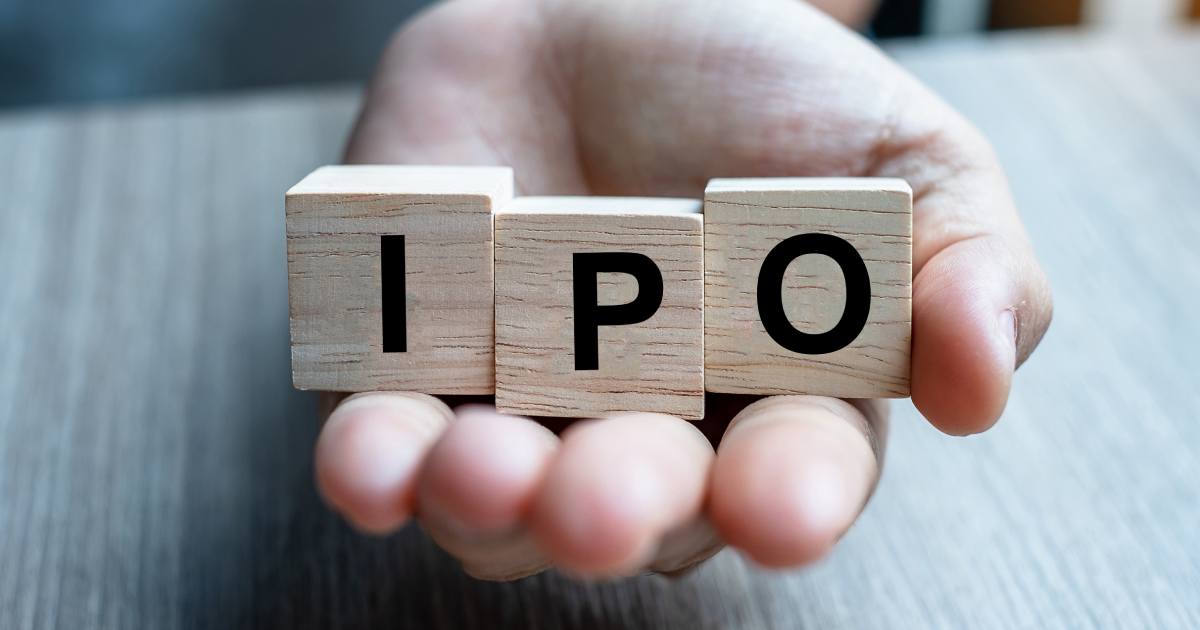
There is no doubt that an IPO or more accurately an initial public offering is one of the most exciting and eagerly anticipated events in the business and the financial worlds alike. Originally, at such a strategic stage in its life cycle, a firm goes public or becomes a publicly held company, which means that it opens doors for growth and investment. How does an IPO operate, though, and what is its specific definition? Now, let’s explore the nuances of this intriguing process that has influenced the structure of contemporary business.
Recognizing the IPO: Not Just an Abbreviation
Though its meaning goes much beyond these three letters, IPO full form is Initial Public Offering. The process of a personal corporation promoting stocks in its stock to the public is valuable to an initial public offering (IPO). The company is now officially floated in a stock exchange, meaning that the public/other people should purchase and promote its shares making it from being a personal restricted liability corporation to a public one.
This is so because going public is one of the biggest strategic decisions any firm is bound to make.Embracing a new stage of business life, one that entails greater visibility, scrutiny, and responsibility, is more important than merely generating money. Initiating an initial public offering (IPO) entails a corporation extending an invitation to the general public to become a co-owner of the enterprise, so participating in both its possible gains and liabilities.
Planning for an IPO: The Path to Going Public
Being ready for an initial public offering (IPO) involves a lengthy and intricate preparatory process. Usually, it starts much in advance of the offering itself. Before the company can maintain its public status, it must make sure it satisfies all regulatory criteria and has a strong financial base.
In addition to assisting with the necessary paperwork preparation and compliance with securities legislation, they also assist with the company valuation.
Making an extensive prospectus is a crucial component of the planning. About the company’s financial history, business model, risks, and possibilities for the future, this document offers prospective investors a wealth of information. A vital resource for assisting investors in making knowledgeable decisions, the prospectus needs to be submitted to the appropriate regulatory bodies.
How the IPO Works: From Registration to Trading
The company submits a registration statement to the relevant securities authority after laying the necessary foundation. Along with other necessary data, this document contains the prospectus. Following submission, the regulatory agency examines it and frequently asks for further details or explanations.
This is the time when interest in the company’s impending initial public offering (IPO) starts to flow in from underwriters, who are usually investment banks. In a “road show,” they can introduce the business to analysts and possible institutional investors. Not only does this assist with IPO promotion, but it also helps determine the initial price range for the shares and assess investor interest.
The business and its underwriters decide how many shares to issue and how much to charge in advance of the offering date. A careful balance must be struck between the pricing, which must represent the company’s genuine worth and allow for future price growth, and being alluring enough to convince investors.
Post-IPO: The Start of a New Era
After the IPO is processed, the company will enter a new phase. It now has new possibilities and challenges as a public company. Because there is always the need to declare their financial situations and also to adhere to the laws, there is an increased number of reporting demands. Secondly, due to the pressure from the stockholders, the management of the corporation has to adapt to the demands of public stockholders and the need to deliver good performance every quarter. The advantages might be substantial, though.
An Analysis of IPOs’ Effects on the Economy and Market
Under the larger financial ecosystem, initial public offerings (IPOs) are vital. To take advantage of the growth potential of new firms, they offer investment possibilities to both individual and institutional investors. IPOs support economic growth, innovation, and the creation of jobs for the wider economy.
IPOs are also a good indicator of the state of the economy and market mood. Investor optimism and a promising economic outlook are frequently indicated by a healthy IPO market. If IPO activity slows down, however, it could be an indication of market saturation or economic uncertainty.
Conclusion:
Let’s sum up by saying that an IPO is a big step forward for a business. Making a private organization public is a difficult process that creates new opportunities for expansion and investment. An IPO’s core idea is still a cornerstone of contemporary finance, even if the public offering landscape is always changing. Sites like 5paisa offer helpful tools and chances for individuals who are interested in taking part in initial public offerings (IPOs) or learning more about the procedure.
