
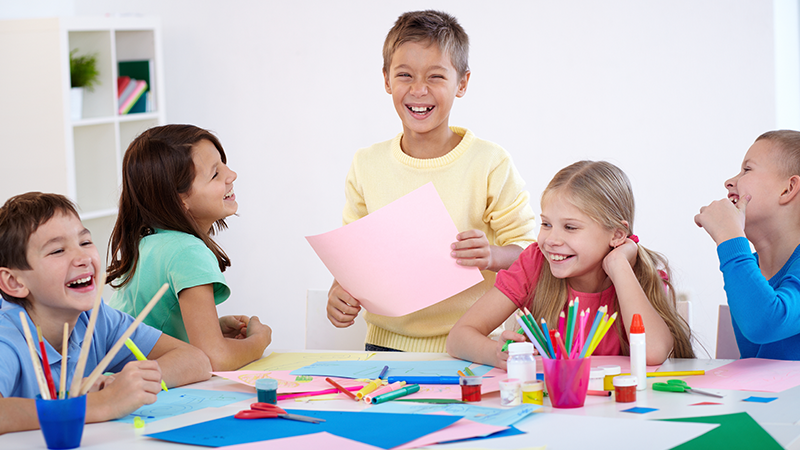
Parents, caregivers, and educators today have more responsibility than ever when it comes to shaping how children learn, think, and adapt. In the early stages of development, the choices adults make regarding how they education kids can influence everything from critical thinking skills to emotional resilience. The phrase education kids often sounds simple, yet it encompasses a wide range of learning strategies, environments, and long-term approaches designed to help children thrive in a fast-changing society.
Understanding the Modern Landscape of Children’s Education
Children today grow up in a world shaped by rapid technology shifts, diverse cultural experiences, and evolving academic expectations. This environment creates both opportunities and challenges for families who want to ensure their children receive the most effective guidance possible. Modern education focuses not only on academics but also on problem solving, emotional health, social awareness, and communication skills.
Parents are encouraged to think beyond traditional learning models and explore flexible approaches that adapt to their child’s personality and natural pace of understanding. Quality education requires an integrated strategy that includes home life, school experiences, digital literacy, community engagement, and structured learning support.
The Role of Early Learning and Why It Matters
Early childhood education forms the backbone of lifelong learning. During the first five years, children develop cognitive frameworks that influence how they absorb information for the rest of their lives. These years are crucial for language development, sensory processing, and emotional bonding.
Key Development Areas in Early Education
Focusing on these areas sets the groundwork for long-term academic and social success:
- Language and communication skills through conversation, storytelling, and reading
- Cognitive skills such as counting, pattern recognition, and memory exercises
- Fine and gross motor skills by engaging in hands-on toys, outdoor play, and art activities
- Emotional awareness by naming feelings and practicing self-regulation
- Social interaction through structured play and guided group activities
Early exposure to broad learning experiences enhances curiosity and helps children develop confidence in exploring new ideas.
How Learning Styles Influence Educational Effectiveness
Not all children learn the same way. Understanding a child’s preferred learning style allows adults to personalize teaching methods and improve content retention.
Visual Learners
Children who learn visually absorb information best through images, charts, diagrams, and demonstrations. They prefer instruction that includes:
- Illustrated books
- Graphic organizers
- Learning videos
- Written instructions
Auditory Learners
These children benefit most from listening and speaking activities. Effective strategies include:
- Read-aloud sessions
- Songs and rhythm exercises
- Group discussions
- Oral storytelling
Kinesthetic Learners
Hands-on activities strengthen this type of child’s understanding. They thrive through experiences such as:
- Building blocks
- Movement-based lessons
- Science experiments
- Drawing and painting
Hybrid Learners
Most children blend multiple learning styles. A dynamic approach that mixes visual, auditory, and tactile methods often produces the most balanced development.
Building Strong Academic Foundations at Home
Parents play a major role in reinforcing education outside the classroom. Home environments that encourage curiosity and independence help children develop intrinsic motivation to learn.
Creating an Enriched Home Learning Space
A dedicated learning area makes it easier for children to focus and build routine. This space should:
- Have adequate lighting
- Contain age-appropriate books
- Include sensory or hands-on materials
- Offer easy access to paper, pencils, and art supplies
- Reduce digital distractions unless technology is used intentionally
Integrating Learning Into Everyday Life
Children learn naturally through experiences. Turning daily tasks into learning opportunities creates meaningful connections between knowledge and practical application.
Examples include:
- Cooking to teach measurement, counting, and sequencing
- Grocery shopping to practice budget awareness and category sorting
- Nature walks to explore science concepts
- Storytelling to build language fluency
Encouraging Independence in Learning
Teaching children how to organize tasks and problem solve independently improves confidence and strengthens executive function skills. Encouraging them to plan their own projects or choose books they enjoy creates ownership over their learning journey.
The Importance of Social and Emotional Learning
Modern education recognizes that emotional health and social awareness are as critical as academic achievement. Social and emotional learning helps children understand themselves, navigate relationships, and handle stress.
Emotional Intelligence Skills
These skills can be taught through modeling and guided conversations:
- Identifying and labeling emotions
- Practicing patience and empathy
- Using calming techniques during frustration
- Understanding boundaries and personal space
Social Skills Development
Teaching children how to interact respectfully and confidently provides lifelong benefits. Social skills include:
- Taking turns during games
- Listening actively to others
- Expressing opinions constructively
- Solving conflicts through communication
Children who receive strong emotional guidance are better prepared to manage academic pressure, peer relationships, and changes in their environment.
Technology’s Role in Shaping Kids’ Education
When used responsibly, technology can strengthen a child’s learning experience. The goal is not to rely heavily on screens, but to use digital tools as a supportive resource.
Healthy Technology Integration
Smart technology usage for children includes:
- Educational apps that reinforce math and reading
- Virtual museum tours and science simulations
- Safe video platforms for documentary-style learning
- Digital storytelling tools
Parents should monitor screen time, choose content carefully, and participate alongside children to maintain engagement and safety.
Teaching Digital Literacy
Digital literacy is essential for future academic and professional success. Kids should learn:
- Safe internet habits
- Basic research skills
- How to evaluate information credibility
- Responsible communication online
These skills prepare them for digital classrooms and future workplaces.
The Role of Outdoor Education and Physical Play
Outdoor learning supports physical, mental, and emotional well-being. Exposure to nature encourages creativity and reduces stress while helping children understand environmental awareness.
Benefits of Outdoor Learning
Children who spend consistent time outdoors often show improvements in:
- Motor skill development
- Spatial awareness
- Observation skills
- Social collaboration
- Problem solving and risk assessment
Outdoor lessons can include gardening, wildlife observation, map reading, and simple science experiments.
The Power of Creative Expression in Learning
Arts and creativity strengthen brain development and foster emotional resilience. Creative activities help children think outside the box and explore their own identities.
Forms of Creative Learning
Incorporating creativity into children’s education may include:
- Drawing, painting, and sculpting
- Acting or role play
- Music and dance activities
- Creative writing
- Craft building
These activities build fine motor control, imagination, and self-expression.
Encouraging Critical Thinking and Curiosity
Children who learn to question, analyze, and think deeply are better prepared for academic challenges. Critical thinking can be taught through deliberate engagement.
Strategies for Teaching Critical Thinking
Some effective approaches include:
- Asking open ended questions
- Allowing kids to solve problems before giving assistance
- Offering puzzles and brain games
- Encouraging debates on age-appropriate topics
- Analyzing stories beyond surface details
This kind of reasoning supports advanced learning skills and intellectual maturity.
The Value of Community and Cultural Exposure
Children benefit greatly from engaging with diverse perspectives. Cultural awareness helps them develop respect and appreciation for differences.
Building Cultural Literacy
Cultural exposure may include:
- Reading books featuring diverse characters
- Participating in community events
- Visiting museums or cultural centers
- Exploring global traditions at home
This kind of educational experience broadens their worldview.
FAQs
How can I tell if my child is struggling with learning at home?
Look for signs such as frustration during simple tasks, avoidance of reading or writing, difficulty concentrating, or challenges following instructions. Observing these patterns consistently may indicate a need for additional support or evaluation.
What age should structured education begin?
Structured learning can start in simple forms as early as age two or three. However, the structure should remain flexible, playful, and developmentally appropriate. Children learn best when activities match their maturity level.
How can I help my child stay motivated academically?
Motivation increases when learning feels relevant and achievable. Offering choices, celebrating progress, breaking tasks into small steps, and connecting topics to real life experiences helps maintain steady engagement.
Should technology be part of early childhood education?
Technology can be helpful when used intentionally and in moderation. Interactive learning apps, educational videos, and digital books can support development when supervised and integrated into balanced routines.
How do I improve my child’s reading skills outside of school?
Reading together daily, asking questions during stories, creating a small home library, and choosing books based on your child’s interests strengthen literacy naturally. Consistency matters more than lengthy sessions.
What role do hobbies play in education?
Hobbies like crafting, sports, science exploration, or musical activities expand learning beyond academics. They help children discover strengths, build discipline, and develop confidence in their abilities.
If you want, I can expand the article further, adjust tone, or tailor it to a specific age group or educational philosophy.
